

Gratitude and hope –
life in the Intensive Care Unit
Keith and Cindy were two days away from leaving on a cruise.
Their bags were nearly packed, and the holiday they had been looking forward to was just around the corner.
Then, in a single moment, everything changed.
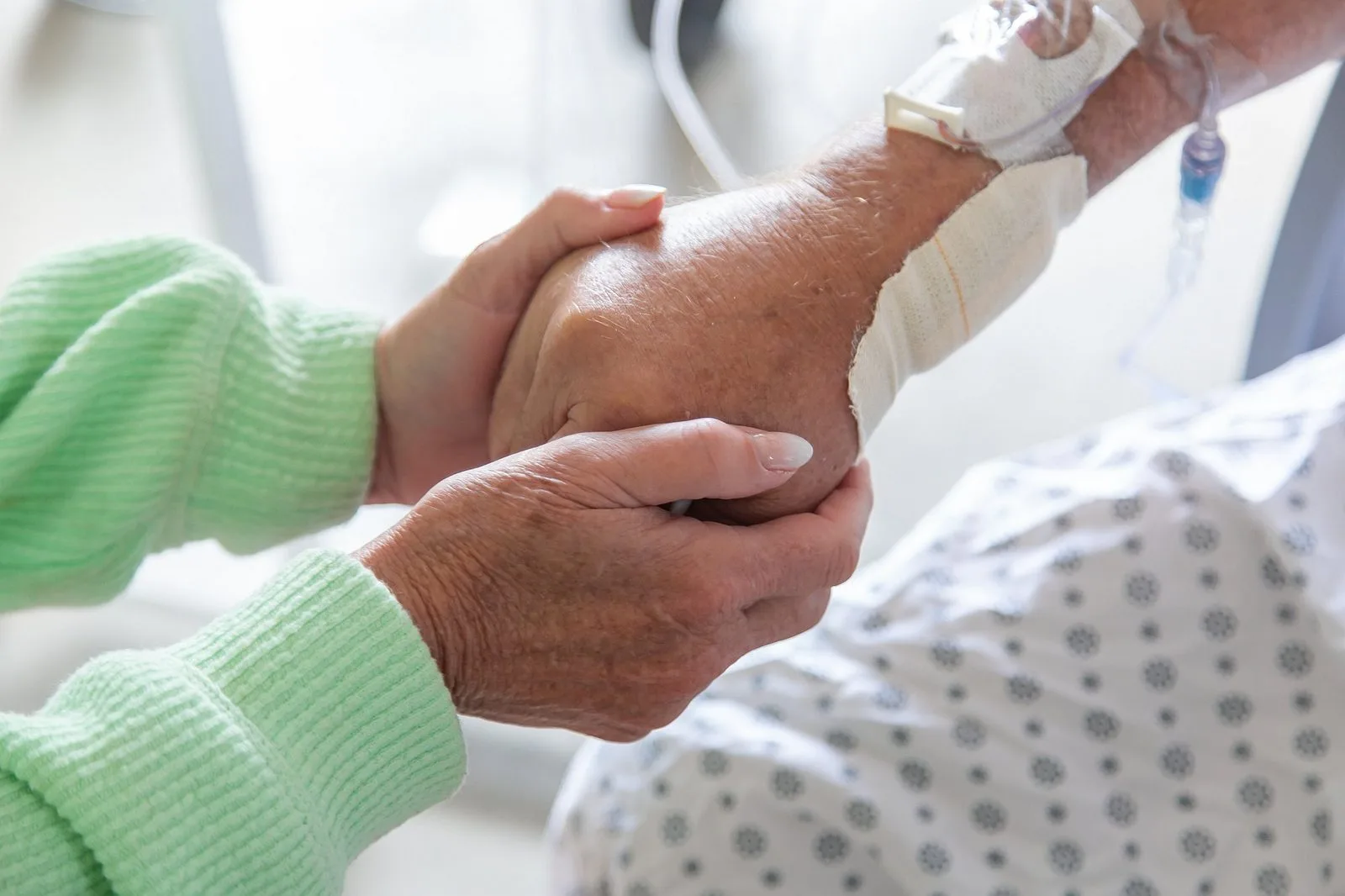
Keith suffered a devastating fall at home. Instead of preparing to leave together, Cindy found herself wondering if her husband would survive.
After emergency surgery, Keith was transferred to the ICU at CMH. There, surrounded by specialized equipment and people they had only just met, Keith began his long road to recovery.
Cindy remembers how they felt when Keith arrived at CMH…
We felt like he was in a good place and the right place for him to heal.
Cindy, grateful family member
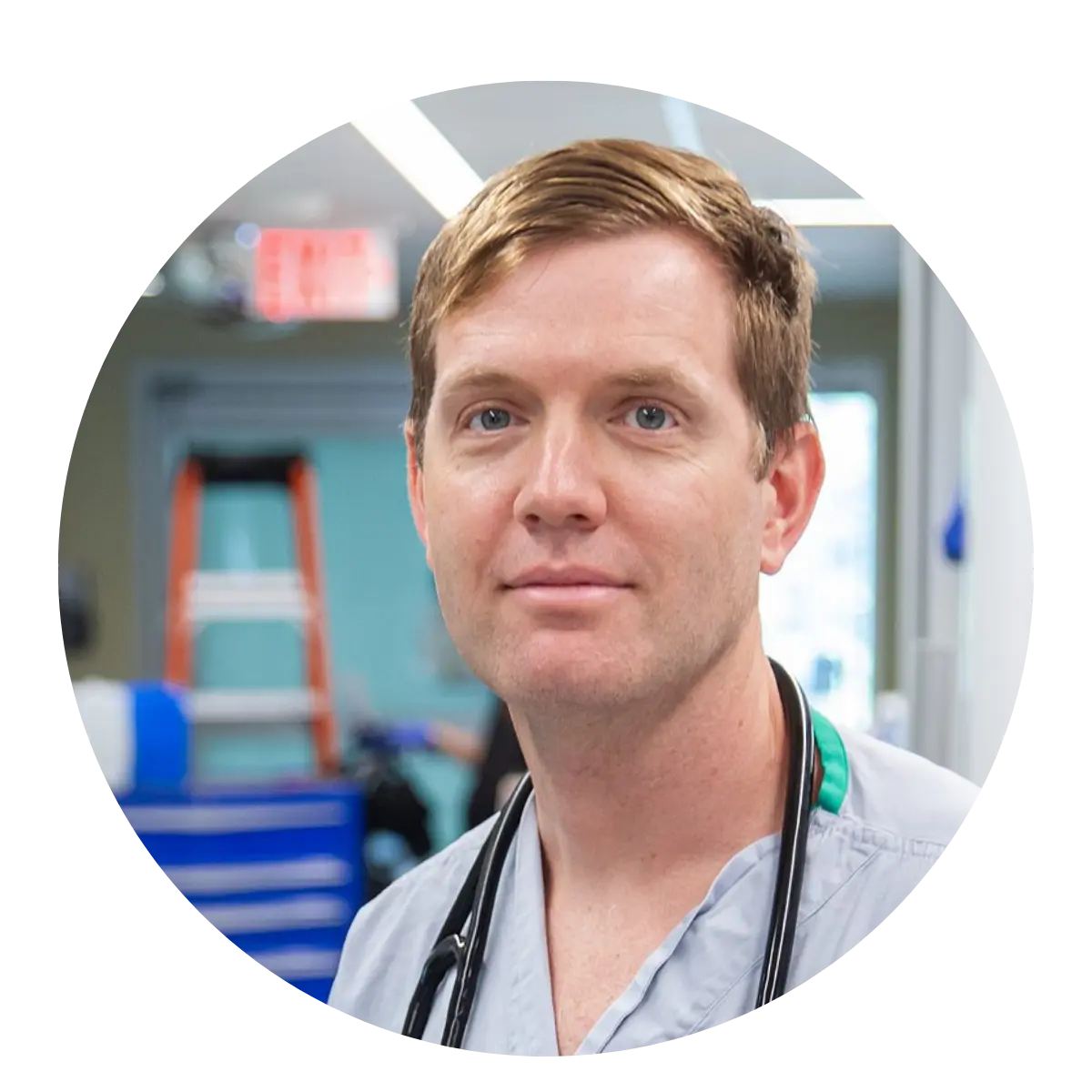
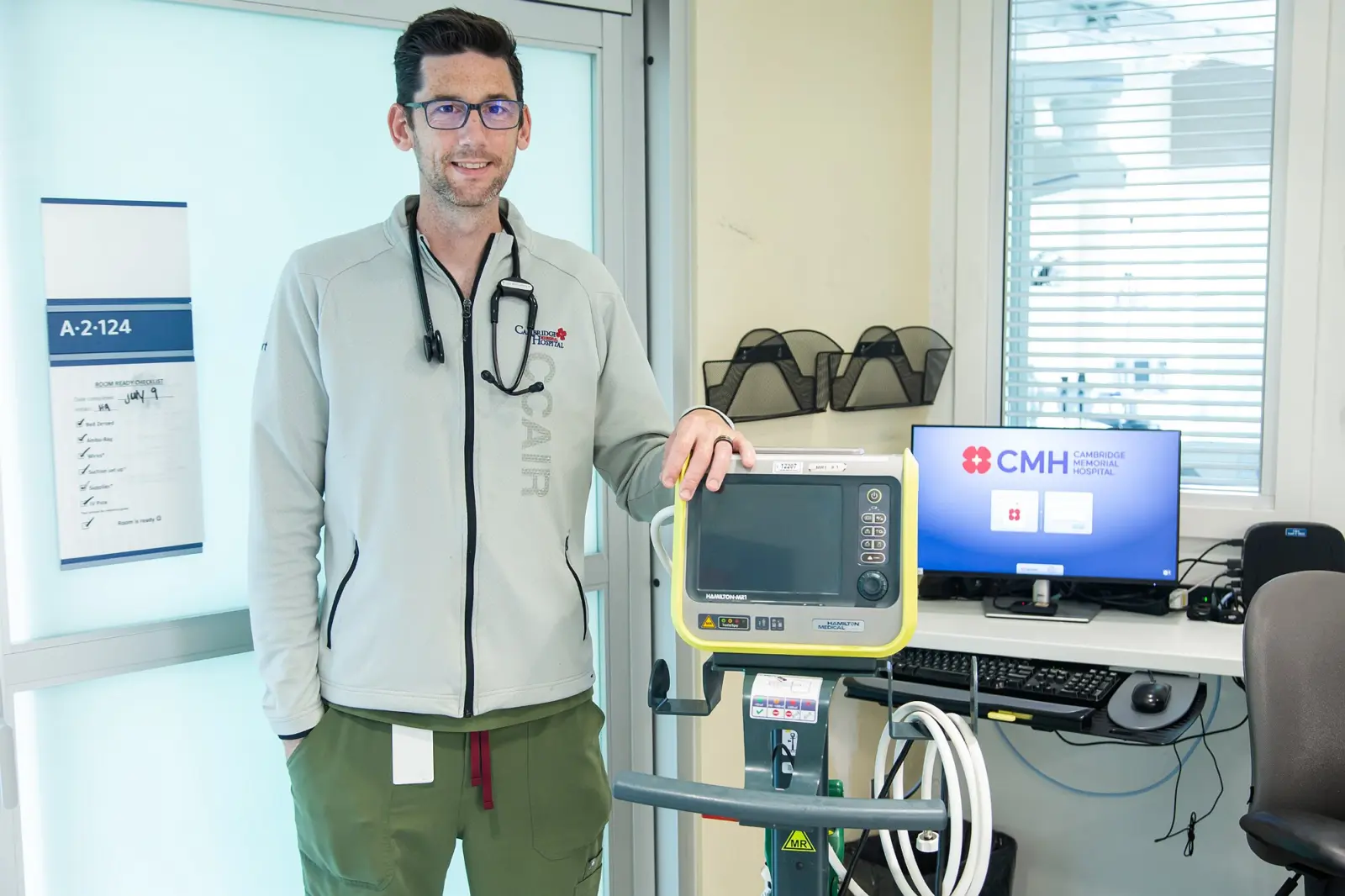
My name is David Cape, and I’m an Intensivist, a specialist in critical care medicine. Every day in the ICU, I see what the kindness of people like you, neighbours and members of this community, makes possible.
You may know that government funding helps cover the core costs of running a hospital, including staff wages, utilities and daily supplies. But it does not cover the equipment and specialized technology needed to provide the highest level of critical care.
That’s why today I’m inviting you to take part in Trees of Caring, a 38-year community tradition.
Each year, donors dedicate symbolic lights in honour or memory of someone special. Together, those lights have raised millions of dollars to bring lifesaving equipment to CMH.
You can dedicate a light with a gift of $30, or a string of lights with a gift of $300. Your gift can honour someone important to you while helping another family receive the care they need, close to home.
When I joined CMH in 2018, the ICU had 8 critical care beds. Today, it includes 20 beds.
More capacity means more people can receive advanced critical care here in Cambridge.
But providing that care takes more than beds. That is where the support of donors makes a difference.
Your Trees of Caring gift can help provide patient monitors that alert healthcare teams to changes in a patient’s condition, ventilators that breathe for someone who cannot breathe independently, and infusion pumps that deliver carefully measured medications.
These are technical pieces of equipment, but what they make possible is deeply human.
Your support can mean more time for partners to support each other at the bedside. It can help a parent, child or grandparent receive care without travelling hours from home. And it gives doctors, nurses and other healthcare professionals the tools they need when every second matters.
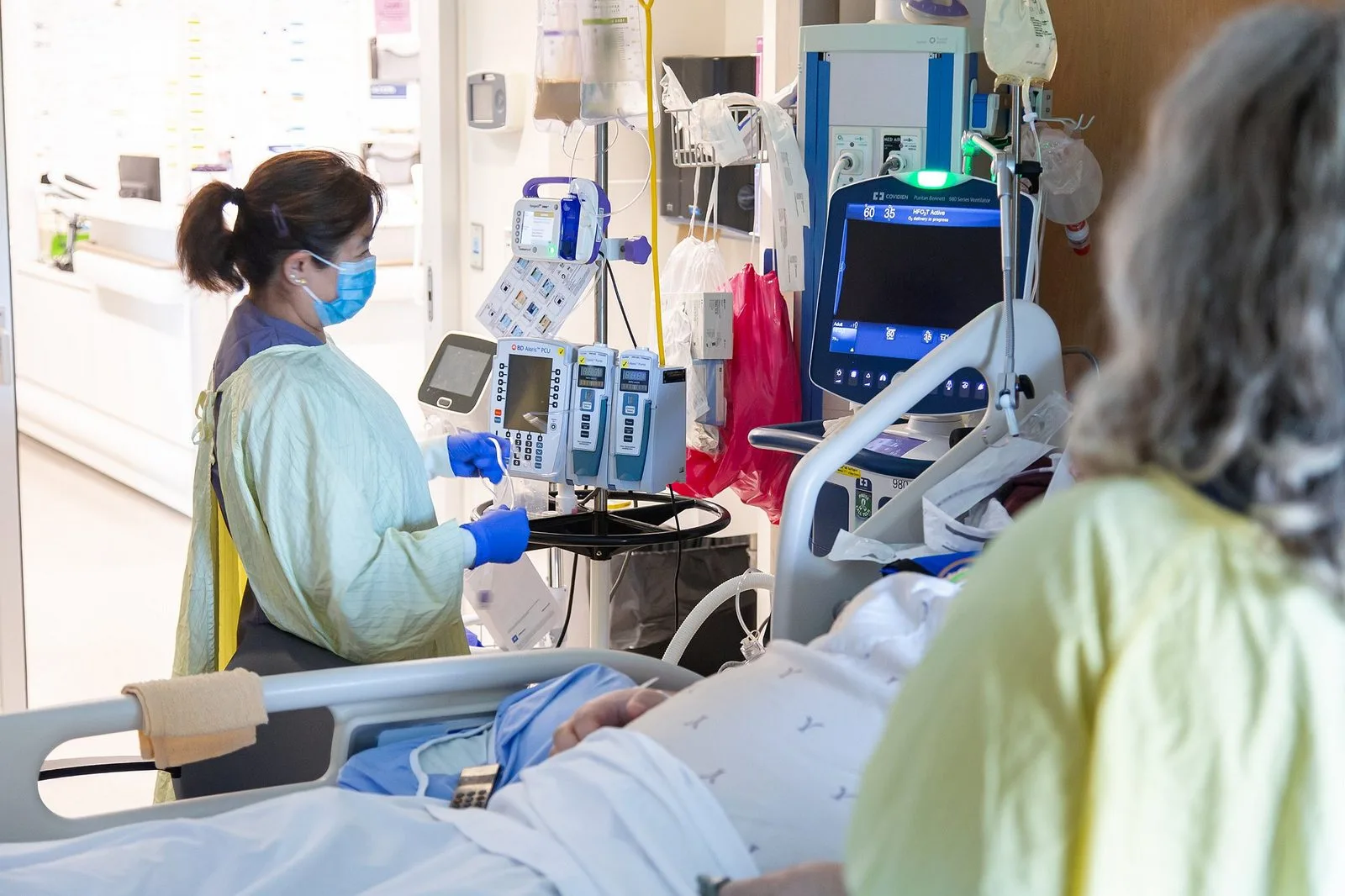
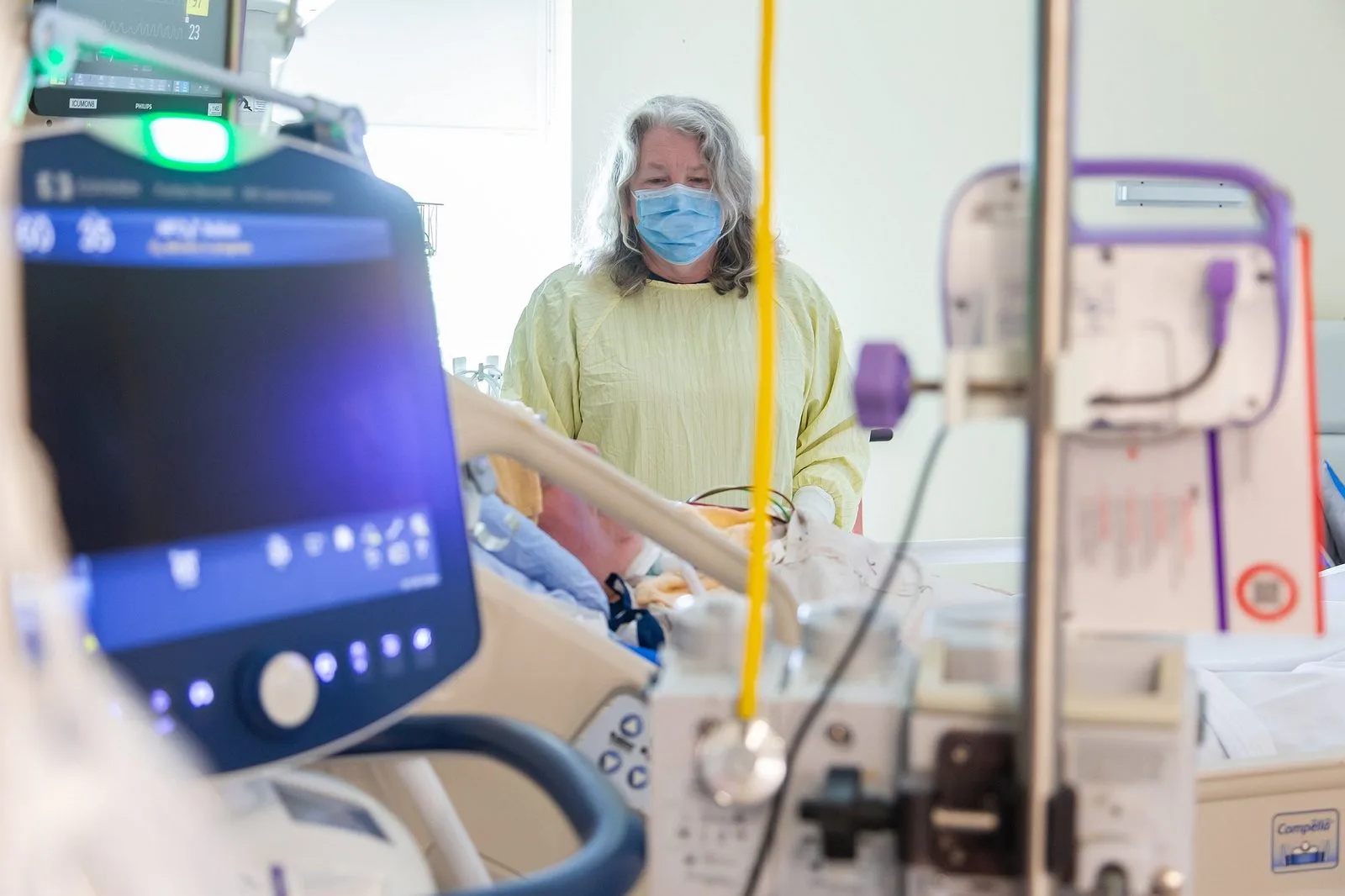
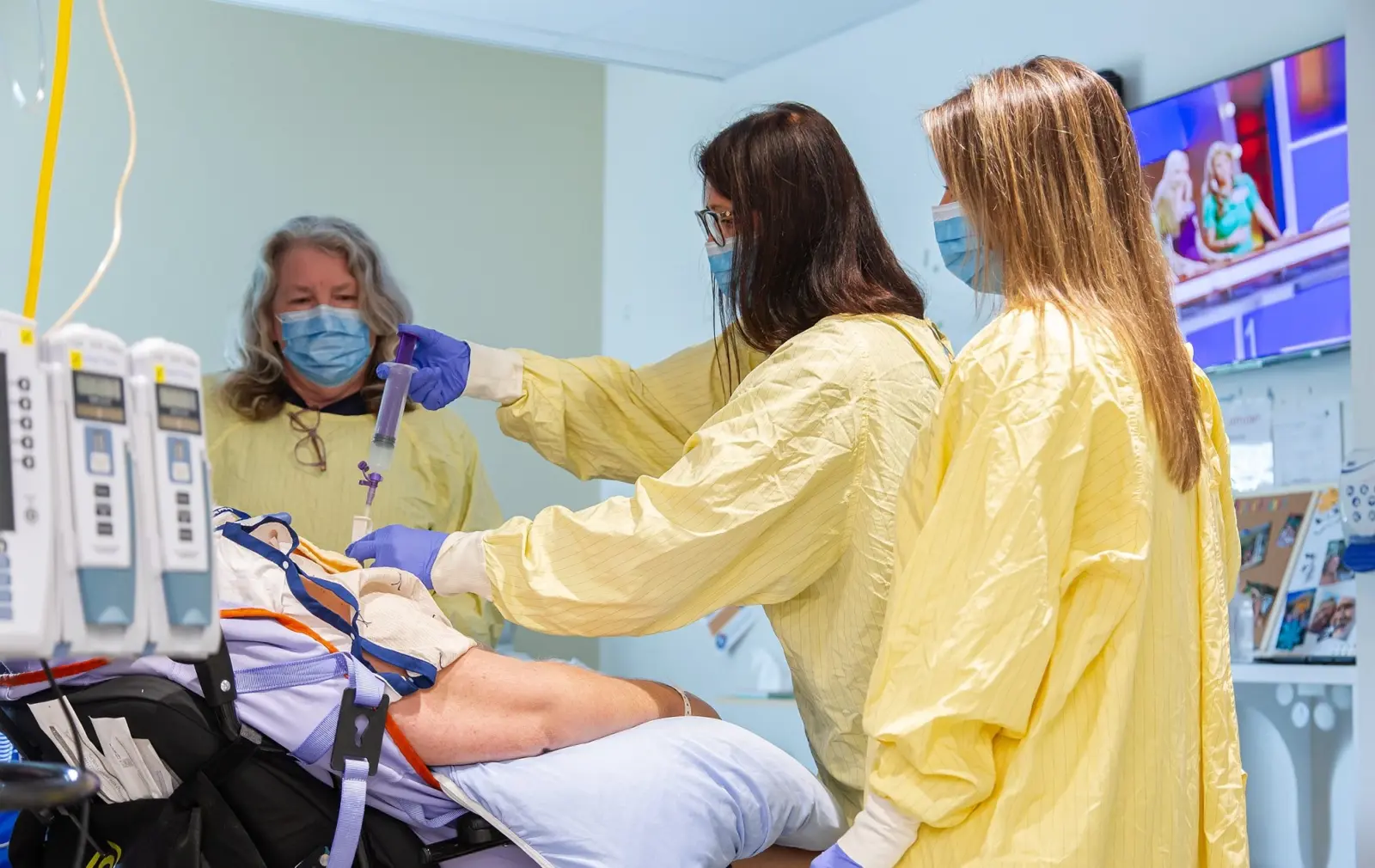
Keith remembers waking up in the ICU surrounded by tubes, monitors and alarms.
His first thought was simple:
“Will I make it home?”
Behind all that equipment were people.
Nurses. Respiratory therapists. Pharmacists. Physiotherapists. Dietitians. Social workers. Technicians. Physicians. People working together to help Keith recover and return to life outside the hospital.
Keith did make it home.
His story is one of thousands that have unfolded at our hospital.
You may never have thought about what it takes to have this level of care available in your community. Most people don’t, until the day they need it.
That is why I am asking you to join your neighbours and become part of Trees of Caring this year.
Perhaps you will dedicate your light to someone whose kindness continues to guide you, remember someone you deeply miss, honour a healthcare professional who made a difference, or simply give because you believe exceptional healthcare should be available close to home.
Every light tells a story. This year, you can add yours.
Your kindness will help ensure that when an ordinary day suddenly becomes an emergency, the people, equipment and technology needed to provide exceptional care are here.
With sincere gratitude,
Dr. David Cape
Intensivist
Cambridge Memorial Hospital